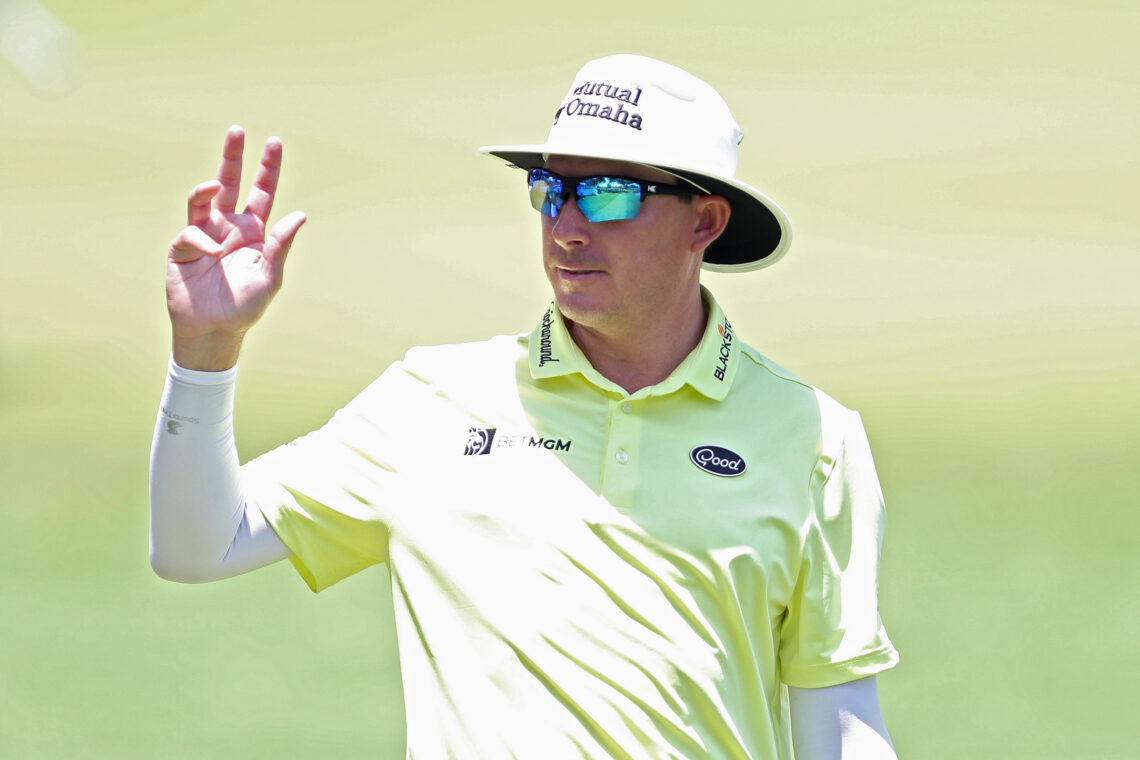

Joel Dahmen is one of the PGA Tour’s good guys and he is a hugely popular figure amongst golf fans, despite his lack of success in general.
Dahmen‘s fine performance at the Farmers Insurance Open last week was greeted with much cheer from PGA Tour fans.
The 38-year-old finished in a tie for seventh after posting rounds of 70, 63, 68 and 73 at Torrey Pines in La Jolla.
Is Scottie Scheffler more likely to end up with 50 PGA Tour wins and 10 majors or 25 wins and 5 majors?
Have we already seen the best of Scottie Scheffler?

It was a huge week for the popular golfer after enduring a tough couple of years.
Dahmen split with his long-term caddie and best friend last year. However, perhaps parting ways with Geno Bonnalie was a good thing for him in the end.
He needed to start being more accountable for himself and bringing in a new caddie would have helped in that respect.
Dahmen’s T-7 at the Farmers Insurance Open last week was a huge step in the right direction for him and he climbed 39 places in the world rankings as a result of his performance in La Jolla.
The tax Joel Dahmen paid from $301,000 Farmers Insurance Open pay check
Dahmen will be hoping for a successful season on the PGA Tour in 2026.
He has just one PGA Tour win to his name throughout his career so far and he’ll be desperate to add to that tally.
However, the 38-year-old also looks at professional golf as a way to earn money. It really is as simple as that to him sometimes and it is never only about winning as far as he’s concerned.
When speaking on the Fore Play Podcast, Dahmen was asked how much money he won from his T-7 finish at Torrey Pines.
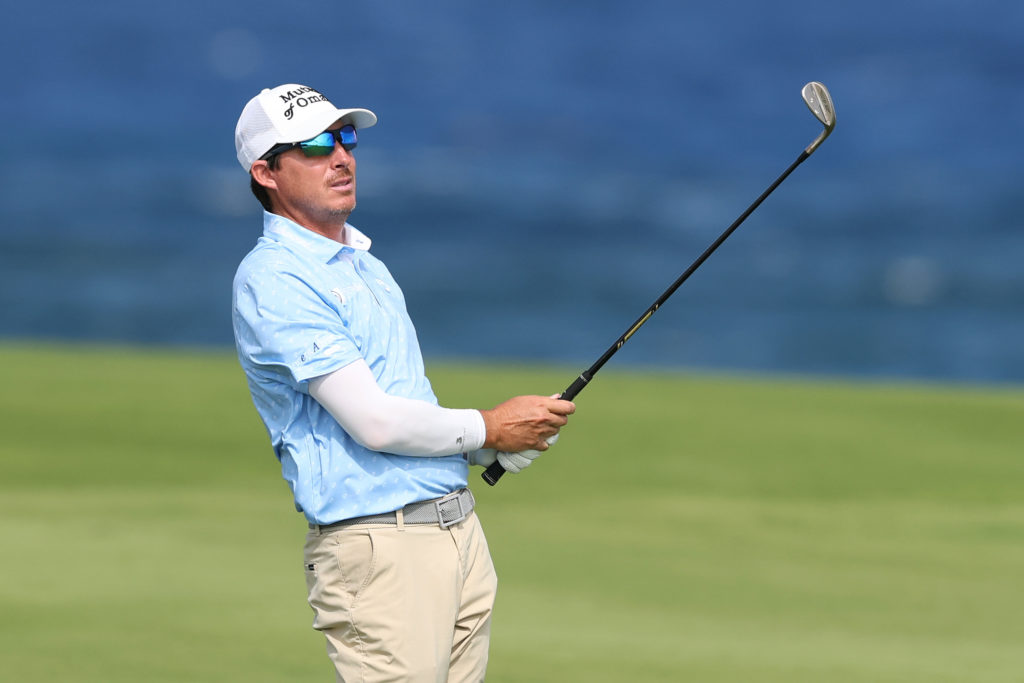
“$301,000,“ Dahmen responded.
“Taxes in California are a lot, though. It’s taxed by where you play.“
He was then asked whether the PGA Tour pull the taxes out before paying the players.
“No,“ Dahmen responded.
“We get the whole check, and then we put it in our separate tax account.
“So, most guys out of here pay quarterly taxes, but how we do it, my wife just takes 30% out of every pay check and puts it into a tax account.
“Then, uh, that thing grows and builds throughout the year, and you look at that, and then your guy’s like, ‘hey I’m gonna take out the tax now’.
“And I’m like, that is so much money that is going.“
So Dahmen put aside around $90,000 from his $301,000 Farmers Insurance Open pay check.
Then he would have had to pay his caddie a hefty sum as well…
How much do PGA Tour players pay their caddies?
The general rule of thumb is caddies receive 10% of their player’s pay check if they win.
Caddies usually receive around 6-8% if their player finishes inside the top 10, and roughly 5% for a made cut.
Back in May, Sepp Straka revealed how much he paid his caddie after winning the Truist Championship and the $3.6 million that came with it.
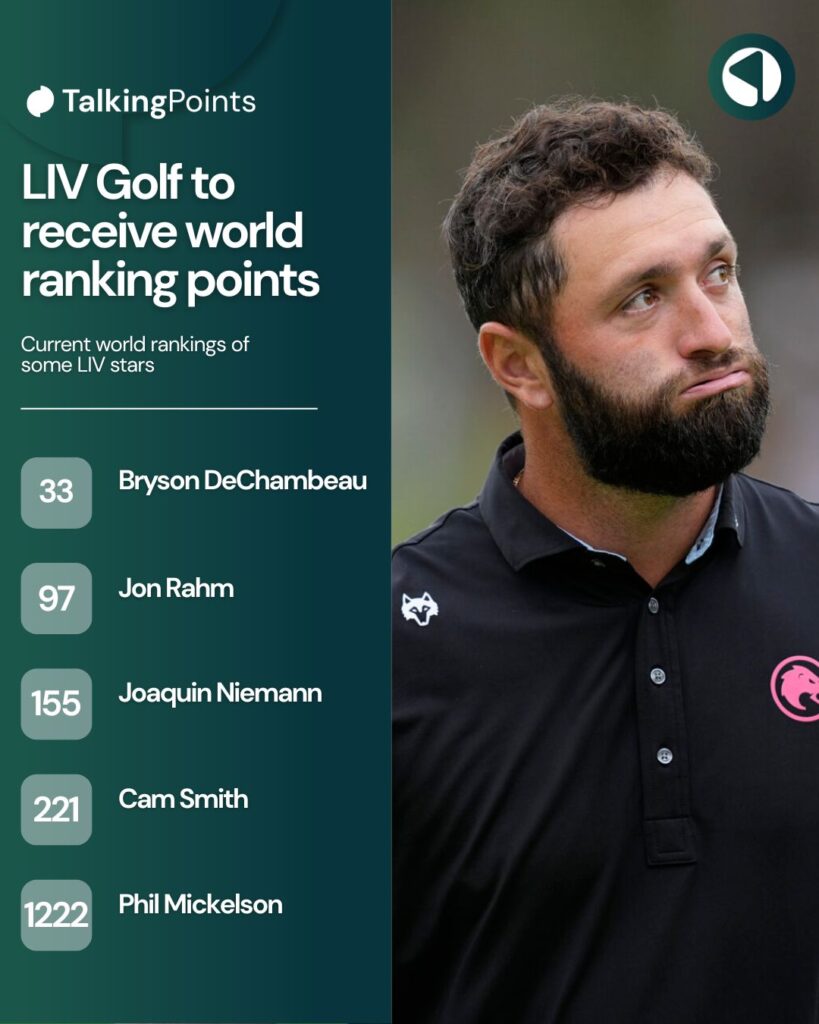
Which LIV Golf player do you think will make the biggest jump in the world rankings in 2026?
The OWGR are awarding points for top 10 finishes from this season!
The Austrian’s college buddy filled in for his regular caddie that week.
Straka said: “Yeah, Dewey hurt his back last week, and, yeah, he wasn’t able to go. He came up just in case, but then he told me to have a backup plan.
“And so I called Drew. We played golf together in Birmingham. He’s a professional golfer. Plays on the mini tours, yeah, he was nice enough to just hop right on a plane and be here.
“So, he flew up Tuesday morning. We played a practice round and just kind of went from there. And yeah, he’s definitely going to get the usual winnings, guys get 10%.“
So, when players pay their caddies and then take out a chunk for the taxman, they probably are not left with much more than half of the amount they actually won, depending on the state in which they were playing.
Receive exclusive golf news and updates twice a week to your mailbox