

Pace of play on the PGA Tour has once again been thrust into the headlines since the start of the 2025 season.
The American Express came under fire after Sepp Straka’s final group took nearly three-and-a-half hours to complete 11 holes at the Pete Dye Stadium Course. The issue was also prevalent during the Farmers Insurance Open at Torrey Pines.
The emergence of the TGL has also helped highlight just how poor the pace of play on the PGA Tour is. With a shot clock in use, those competing in the tech-infused league have 40 seconds to select and hit their desired shot, resulting in fast-paced matches.
Fans are on board with the shot clock, and many have called for a similar system to be implemented on the PGA Tour.
Adam Scott’s verdict on the TGL’s shot clock
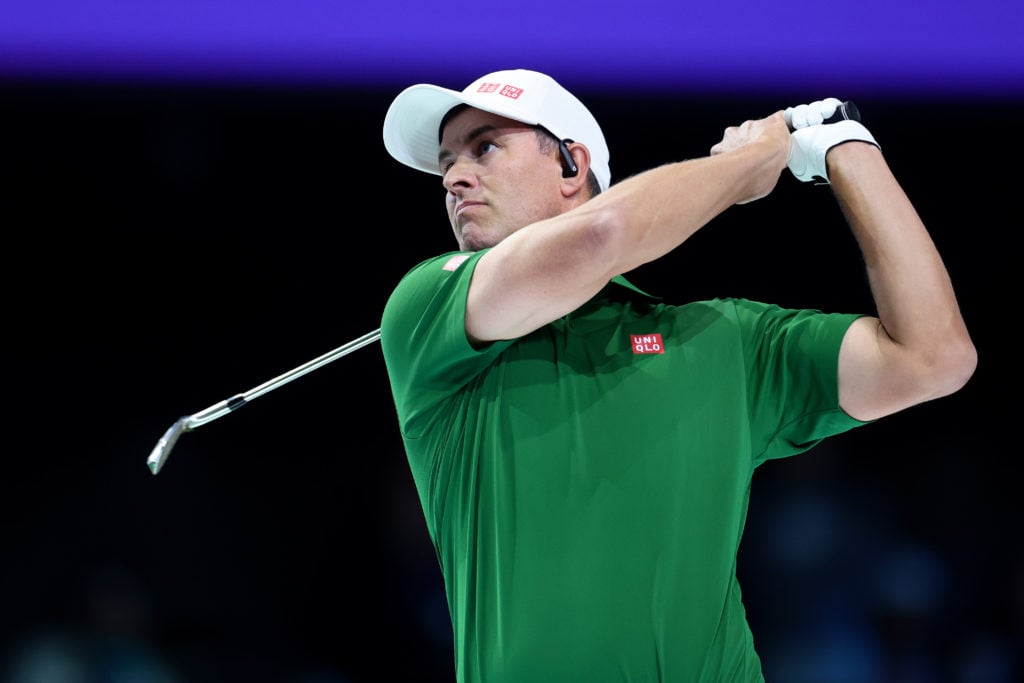
Adam Scott, who featured for Boston Common Golf on Monday, was asked about the use of the shot clock during his post-round interview.
“Yeah, I think it’s a slight adjustment. Tiger got a time violation out there, so you’ve got to be careful,” the Aussie said.
“But I think for this format, it’s definitely creating a good tempo. I think it’s about right, actually, after playing it, that you’ve got just enough time, but you can’t mess around much, or you’re going to be stressed getting over the shot, which could lead to an error. I think it’s really good.”
What the PGA Tour is doing to stop slow play
The PGA Tour insists changes coming in 2026 will rectify the slow play issue. However, the proposals have been widely criticised.
Small field sizes, alterations to the FedEx Cup points system, and fewer PGA Tour cards are just some of the adjustments that will be made.
Currently, there are no plans to increase the punishments handed out to repeat slow-play offenders. Since 1995, only three players have been punished for slow play on the PGA Tour.
Would a shot clock work on the PGA Tour?
Despite fans, pundits and some players demanding a shot clock or harsher punishments to be introduced, some of the PGA Tour’s most prominent names believe a shot clock would be hard to implement.
Two-time major winner Justin Thomas said: “They like harder golf courses, and they like watching us play in difficult places, but they want us to play faster, so those two don’t go together. You’ve kind of got to pick and choose your battles. But yeah, I guess we’ll see.”
| Fixture | Date |
| New York Golf Club vs The Bay Golf Club | January 8 |
| New York Golf Club vs Atlanta Drive GC | January 22 |
| Boston Common Golf vs Jupiter Links Golf Club | January 27 |
| Boston Common Golf vs Los Angeles Golf Club | February 5 |
| Atlanta Drive GC vs Los Angeles Golf Club | February 17 (6pm) |
| Atlanta Drive GC vs The Bay Golf Club | February 17 (9 pm) |
| The Bay Golf Club vs Boston Common Golf | February 18 |
| Jupiter Links Golf Club vs New York Golf Club | February 19 |
| Los Angeles Golf Club vs New York Golf Club | February 24 |
| Boston Common Golf vs Atlanta Drive GC | February 25 |
| The Bay Golf Club vs Jupiter Links Golf Club | February 26 |
| The Bay Golf Club vs Los Angeles Golf Club | March 3 |
| New York Golf Club vs Boston Common Golf | March 4 |
| Jupiter Links Golf Club vs Atlanta Drive | March 5 |
| Semi-final one | March 18 |
| Semi-final two | March 19 |
| Final | March 24/25/26 |
Given the current pace of play on the PGA Tour, trialling a shot clock for one event would surely provide the hierarchy with an accurate idea of how much time could be saved.
Right now, there are too many repeat offenders, making the product pretty much unwatchable for viewers at home.
Receive exclusive golf news and updates twice a week to your mailbox