
The PGA Tour must consider three big changes ahead of the 2026 season in order to enhance their product.
The PGA Tour offers the best competition in the professional golfing world and fans have been provided with sensational entertainment over the past few decades.
However, it is far from perfect, with big changes required moving forward.
The PGA Tour are constantly being urged to make different rule changes in order to make the game better for the players and the fans.
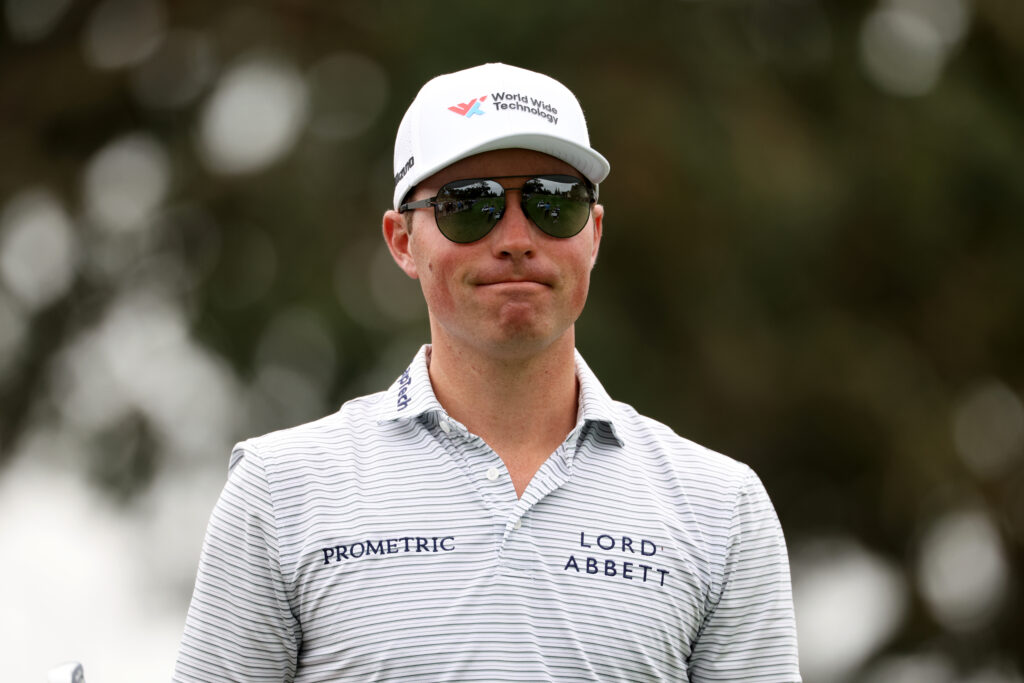
The likes of Ben Griffin and Patrick Cantlay were both involved in separate incidents during the 2025 season which highlight the need for big changes to be made.
It seems like certain rules need looking at as soon as possible in order for the PGA Tour to provide fairer competition for the players.
Three rule changes the PGA Tour must make before 2026
The PGA Tour haven’t been afraid of mixing things up in the past, and now’s the time for them to take action once again.
Firstly, the PGA Tour need to scrap the Temporary Immovable Obstruction (TIO) rule, or at least make it slightly harsher.
Back in May, Ben Griffin won his second PGA Tour title at the Charles Schwab Challenge.
During his final round, the 29-year-old wildly hooked his tee shot out to the left on the 14th hole.
Griffin was left with absolutely no shot to the green but incredibly, he was handed a free ‘line of sight’ drop, with an advertising sign apparently in his way.
The American ended up salvaging a par on that hole, when a bogey or even worse would easily have been in play.
The same thing happened with Rickie Fowler at the John Deere Classic in July.
After hitting his tee shot into the penalty area on the 13th hole during his first round at TPC Deere Run, he was staring a double bogey in the face.
However, just like Griffin two months prior, he was given a free line of sight drop, with the Shotlink tower in between him and the flag.
Before the free drop, Fowler’s line to the green was completely blocked out by a large tee directly in front of him.
He ended up making a par on the hole and finished in a tie for 18th at the end of the week.
This rule needs to change as a matter of urgency. If a player’s line to the green is obstructed by a temporary structure, they should obviously get a drop.
However, they should receive no advantage from the lie and line they previously faced. For instance, if there is a tree in between the player and the green, that should be replicated when they receive their drop from the TIO.
Secondly, and perhaps most importantly, another rule that should be changed for the 2026 season is the punishment for slow play.
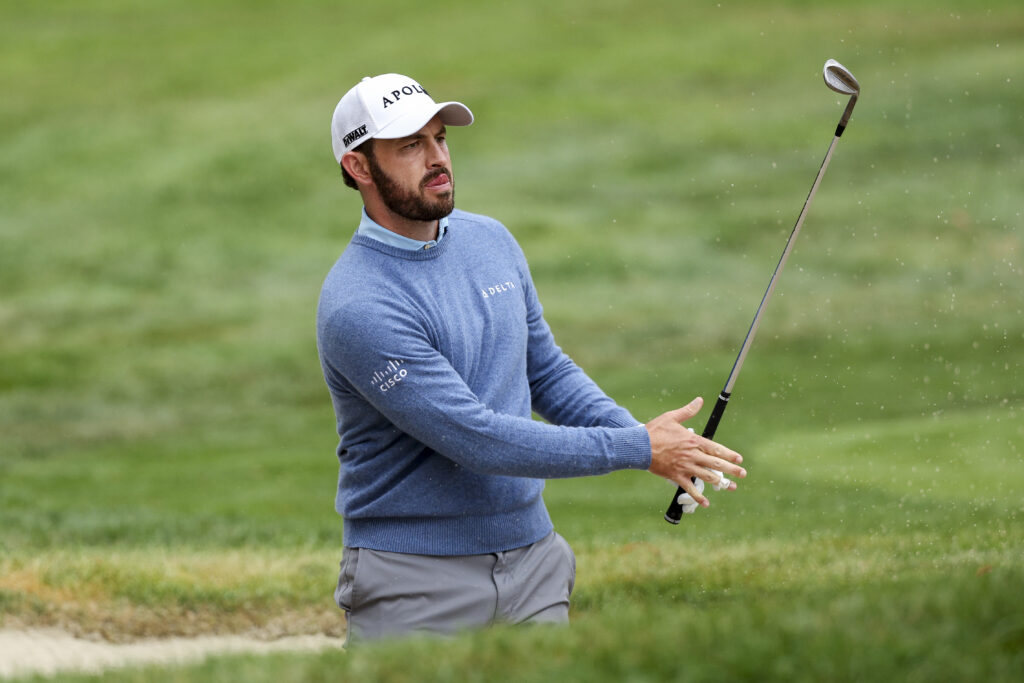
Patrick Cantlay was guilty of falling foul of the slow play rules on numerous occasions in 2025, most notably during the Tour Championship at East Lake.
At the time, legendary golf coach Butch Harmon highlighted how fining players like Cantlay was a fruitless exercise.
In response to a question about Cantlay’s slow play, he said: “They’ve got to grow a pair, because fining people is ridiculous. These guys don’t care about money, they’re all multi-millionaires. You’re not going to speed them up by doing that. But if you put two shots on them it could cost them making a cut or winning a tournament.“
Harmon is right. The only way slow players will learn is if they are penalized with strokes rather than money.
The slow play rule is arguably the most important one to fix moving forward for the PGA Tour.
If nothing changes, they will be in danger of hundreds of thousands of potential young fans switching off from the game.
Finally, the PGA Tour must look into changing the ‘grandstanding’ rule.
Players hitting their balls into grandstands during professional events has become a major problem.
It is far too easy for players to bail out when there is trouble short of the green or on the opposite side to the grandstands.
The players are then awarded a free drop, and are more often than not handed a pristine lie and a clear route to the pin.
The PGA Tour should take inspiration from the R&A after what happened at The Open at Royal Portrush this year.
Any player who hit their ball into the grandstands had to then take a drop in some of the thickest rough on the golf course.
That obviously prevented players from bailing out and hitting their approach shots into the grandstands in order to gain a favorable drop.
With these three key changes, the PGA Tour will become a better and more watchable product.
However, most importantly, it will become a fairer competition overnight.
Receive exclusive golf news and updates twice a week to your mailbox