
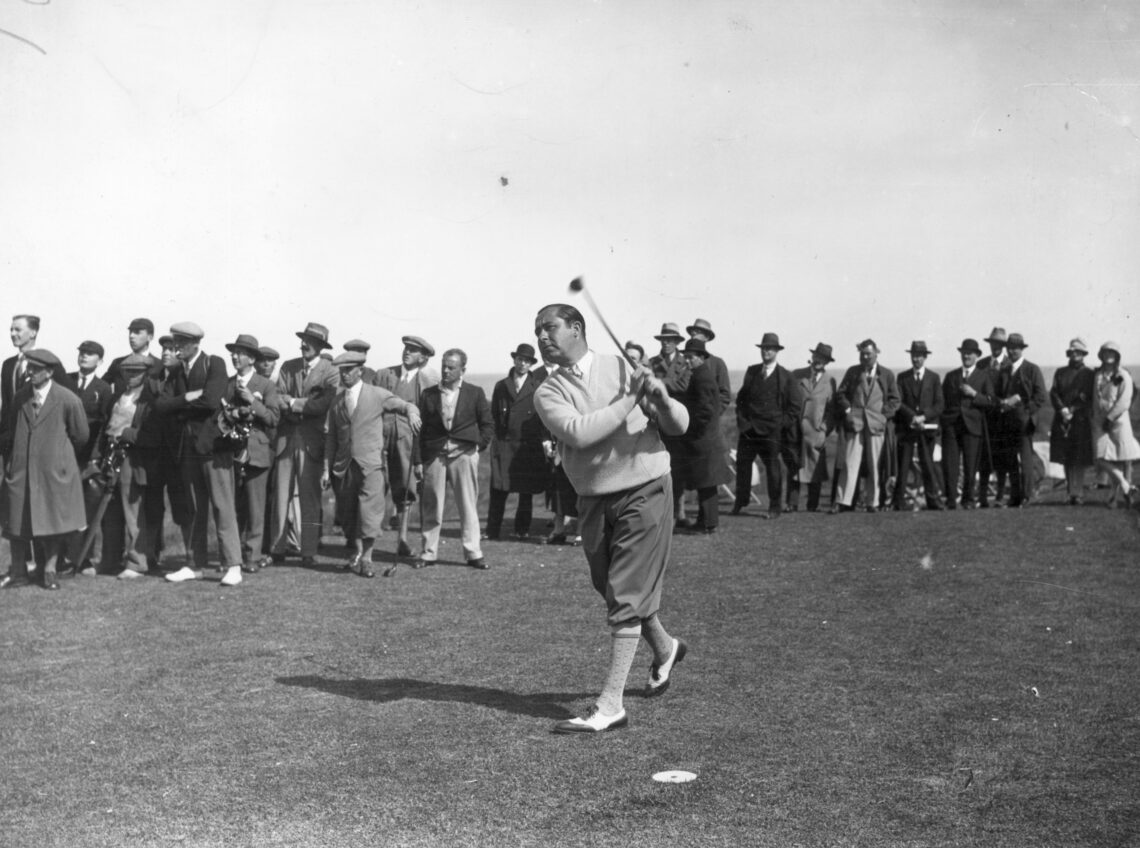

While Team USA did not have a lot to celebrate during the 2025 Ryder Cup, it was Keegan Bradley’s side who secured the biggest victory of the week at Bethpage Black.
Justin Thomas and Cameron Young beat Ludvig Aberg and Rasmus Hojgaard 6&5 on Friday afternoon in New York. It was the only match to not reach the 14th hole all week.
Meanwhile, it was Jon Rahm who suffered the biggest loss in the Sunday singles, with Xander Schauffele winning 4&3 as the home side threatened to produce one of the greatest sporting comebacks of all-time.
The Spaniard is far from being the only major champion to suffer a heavy loss in the singles at the Ryder Cup.
And in truth, the size of his defeat pales in comparison with the record margin of victory in the history of the singles at the Ryder Cup.
The major champion who suffered the heaviest singles loss in Ryder Cup history
The Ryder Cup certainly took its time to become the monster it has developed into. Of course, the event had been going for more than 50 years before players from continental Europe were able to take part.
Ben Hogan declined the opportunity to take part in the 1953 event, with the Americans having to spend several days travelling across the Atlantic for what was two days of competition. Hogan had managed to win three major titles that year, including The Open Championship in what would be his only appearance in the event.
In 1929 however, one American lifted the Claret Jug just weeks after that year’s Ryder Cup. In fact, he captained his side in the second staging of the event.
Unfortunately for the visitors, Great Britain ended up winning 7-5. And he went on to lose his singles match 10&8 against the home team’s own playing-captain.
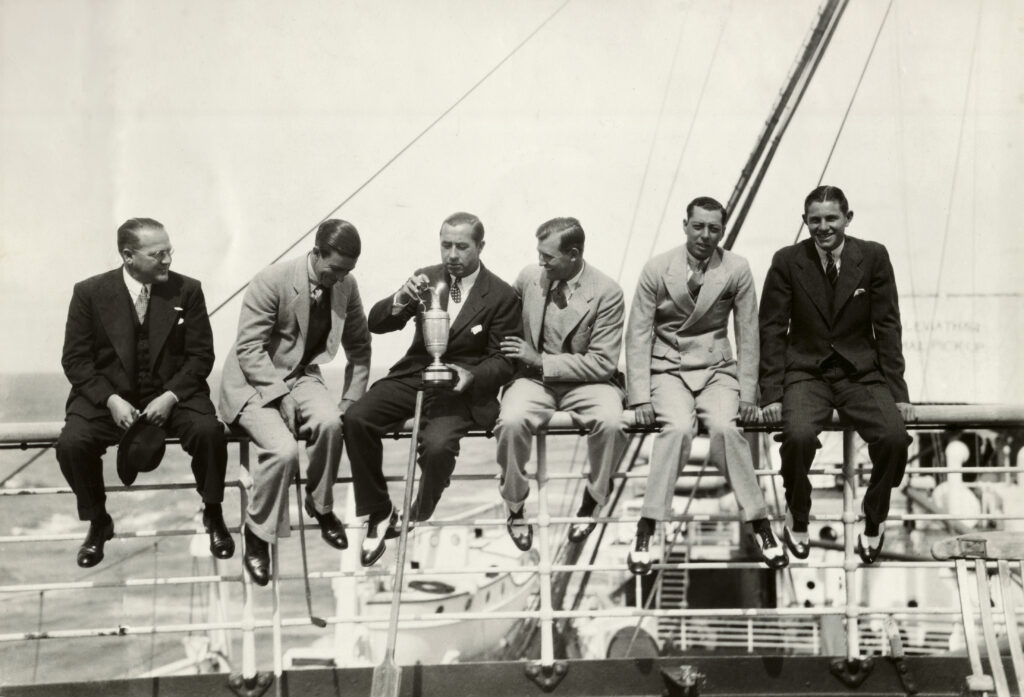
Walter Hagen is one of the most iconic figures in golfing history. He is one of just three men to have reached double figures for major victories, with only Jack Nicklaus and Tiger Woods eclipsing his tally of 11 wins.
And had it not been for the First World War, Hagen probably would have been even more successful. It must also not be forgotten that he enjoyed the best years of his career before The Masters had even been founded.
The USA did have a one point lead after the opening session of foursomes. Hagen won his match alongside Johnny Golden 2 up over Ernest Whitcombe and Henry Cotton.
But Great Britain went on to win five of the eight singles matches on Saturday. George Duncan beat Hagen 10&8 in the second match of the day.
It must be noted that the Ryder Cup matches were played over 36 holes until 1961. So unless there is another change to the format in the future, Hagen’s place in the event’s folklore is secured.
How Walter Hagen exacted revenge on George Duncan at the following Ryder Cup
Despite the disappointment, Hagen – who captained the USA in the first six Ryder Cups, as well as playing in five – would not return across the Atlantic empty-handed.
He ended up winning The Open for a fourth time by six shots just a fortnight later at Muirfield.
That meant that Hagen won a major in all but two years in the 1920s. The Open in 1929 would, however, prove to be the final time that he won one of the events currently recognised as the four biggest in the game.
He would manage to exact some Ryder Cup revenge on Duncan though just two years later.
In 1931, Hagen and Denny Shute beat the 47-year-old Scot and Arthur Havers 10&9 in the Friday foursomes at Scioto in what became a 9-3 victory for the Americans.
Unsurprisingly, that match in Columbus means that Hogan finds himself in the Ryder Cup record books for the largest victory in foursomes as well as the biggest defeat in the singles.
Given that Hagen was one of golf’s first great showmen, it is hard to imagine that he would have had any problem with that at all.
Receive exclusive golf news and updates twice a week to your mailbox