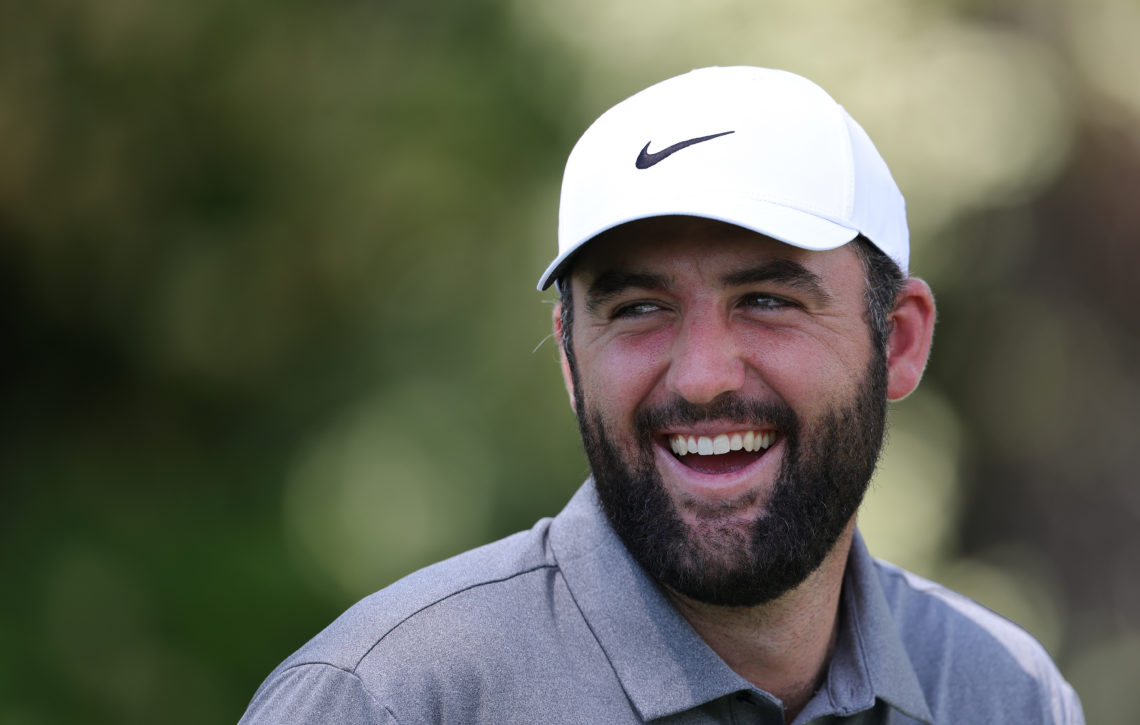

Scottie Scheffler has the perfect chance to remind everyone why he is still the world number one this week, as he tees it up at the RBC Heritage.
Of course, he was overshadowed by Rory McIlroy at The Masters, but it was a remarkable week for Scottie Scheffler. The 28-year-old really did not appear to have his best stuff all week. And yet, he managed to finish fourth, and there was a moment on the second nine on Sunday when it appeared that he was not entirely out of contention.
The pressure is arguably back on Scheffler this week. Once again, he is returning to a tournament he won last year in the RBC Heritage.
It is a significant week for the PGA Tour, with a notable change being made in an attempt to help address the problems the game has had with pace of play.
Scottie Scheffler reacts to the PGA Tour allowing rangefinders at the RBC Heritage
The PGA Tour came in for a lot of criticism at the start of the year after some of the early tournaments seemed to take an age, even on Sundays. It did not help that many of the biggest names took a little while to get going in 2025, for various reasons.
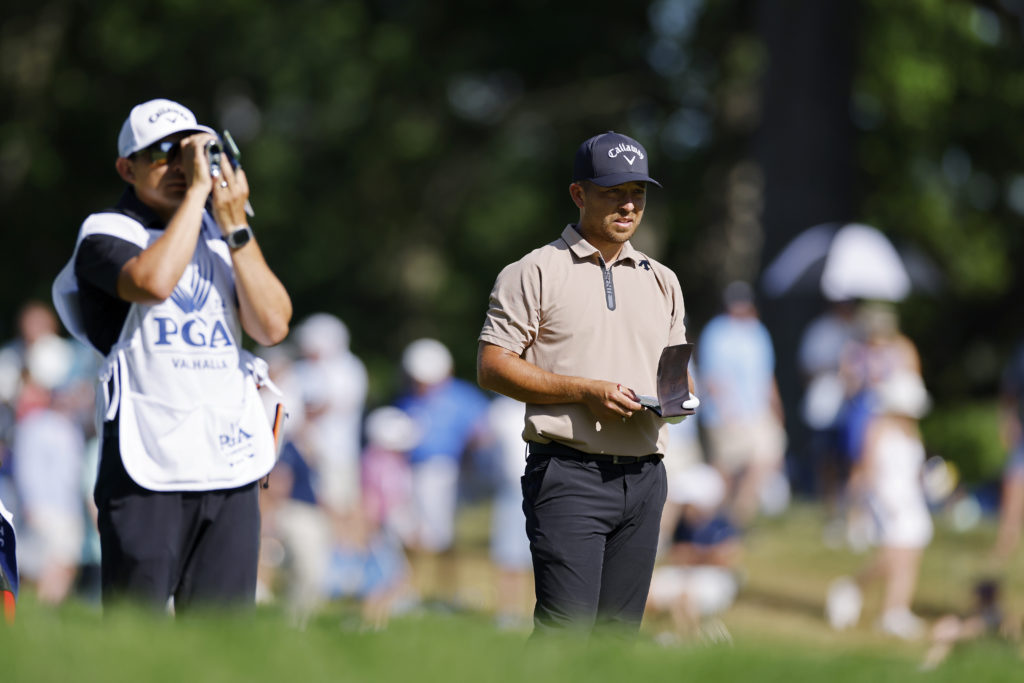
But the Tour is open to changing, with rangefinders set to be allowed at Harbour Town this week. Previously, the PGA Championship has allowed measuring devices.
However, it seems that Scheffler is not convinced that the change is going to address all of the problems when it comes to slower rounds.
“You’re not going to like this answer, but I kind of forgot about that,” he joked when asked about using rangefinders.
“I’ll trust Ted what he wants to do. I don’t really care. He’s the one that gets the number. I’m sure we’ll have it in the bag.
“We’ve been using it PGA the last couple years, haven’t we? Is it going to help pace of play? Maybe a few minutes. Will it be anything significant? No. This tournament, what affects the pace of play is walking the golf course. I think we’re playing twosomes all week, so it will go from a five hour round to maybe four hours or less.
“When you see the biggest changes in pace of play, it all comes from going from three guys to two guys in a pairing. It’s just easier to get around the golf course.
“Also, the distance walking from green to tee is a big factor as well if you’re going to save 15, 20 minutes off the round. This golf course is pretty simple in terms of getting around.”
“I think the only way to have a significant impact on the pace of play, if you look at the average round time last week — Thursday and Friday you’re playing in threes, Saturday and Sunday you’re playing in twos — there’s going to be a significant difference, probably over an hour difference in pace of play,” he went on to add.
“The pace of play debate is funny. I think people want to watch exciting golf. I think that’s what it’s all about. Let’s say if we do all these changes and we save 20 minutes off of a round of golf. Is somebody going to sit down on the couch on Sunday and go, well, I didn’t have five hours to watch a round of golf, but I’ve got four hours and 40 minutes. Now I’m in.”
How The Masters highlighted the problem with the pace of play debate
Events like The Masters highlight the real challenge the governing bodies face when it comes to tackling slow play problems.
When the event is as exciting as this past week at Augusta National, fans could probably sit in front of their televisions all day and keep watching. It was absolutely enthralling and it was a shame it had to end – although Rory McIlroy probably will not tell you the same thing.
There were moments when it was slow. McIlroy had to wait a significant amount of time before hitting his 72nd tee shot of the week. But that almost added to the drama.
It is becoming clear that fans will tolerate slower rounds when they are being presented with a tournament which ticks so many other boxes.
And as Scheffler notes, it is hard to imagine that allowing measuring devices is going to do a great deal to improve the overall experience.
Receive exclusive golf news and updates twice a week to your mailbox