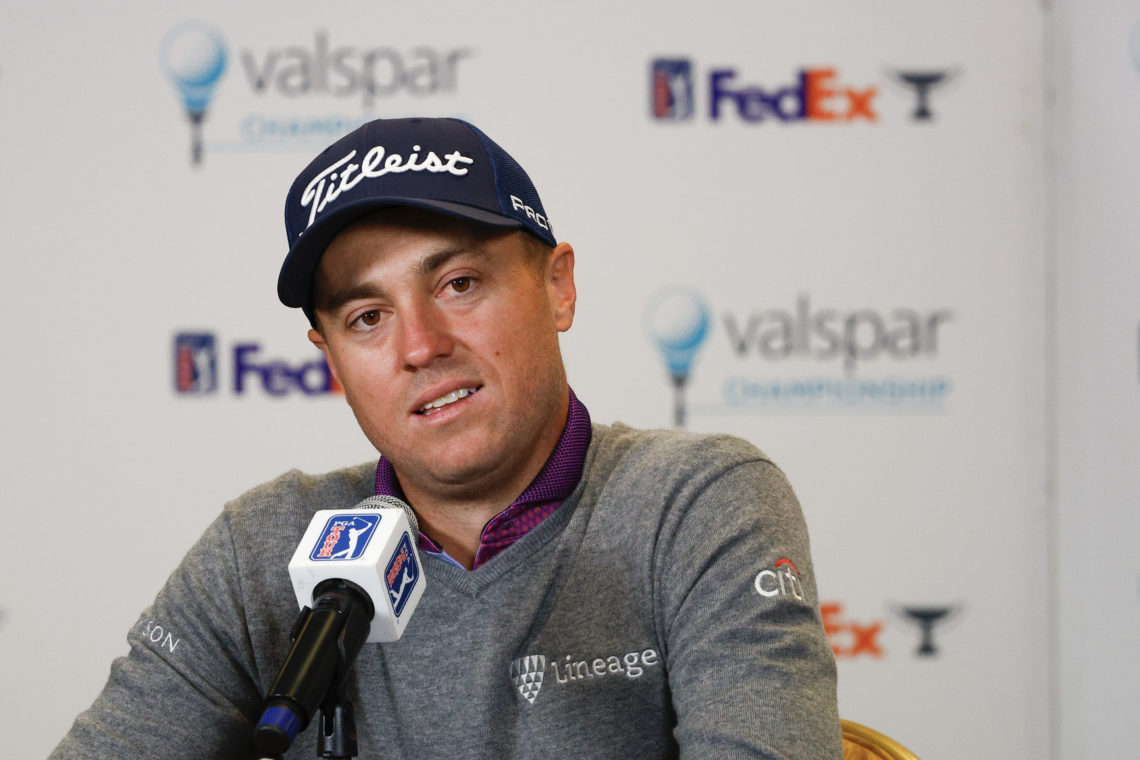

Justin Thomas has certainly prompted a lot of debate with his letter to PGA Tour members this week in which he encouraged players to be a lot more hospitable to the media before, during and after rounds as the tour looks attract new audiences to the game.
It is perhaps fair to say that the PGA Tour has had a very rocky start to the new season. The viewing figures for The Sentry were underwhelming, while The American Express came in for huge criticism after the final round took the best part of six hours.
Of course, slow play is a key problem in the game right now. The PGA Tour argued that the changes coming in for 2026 were designed to help tackle pace of play issues. And frustrations are not helped by the use of a shot clock in TGL which is, so far, proving that many of the world’s best players would be fine if they had a maximum of 40 seconds to hit their shot.
But Justin Thomas has recognised that there is another issue which needs addressing. Thomas has suggested to PGA Tour members that they need to open themselves up to the media considerably more, including answering a question right before a round and potentially speaking to an interviewer while out on the course.
What Justin Thomas may have got wrong in his letter to PGA Tour members
Golf needs to build new superstars, and Thomas’ argument is that giving fans more access behind the scenes is only going help players’ popularity.
However, speaking on The First Cut podcast, Patrick McDonald has suggested that Thomas completely overlooked what would arguably be the best way for players to work with the media to entertain the viewers.
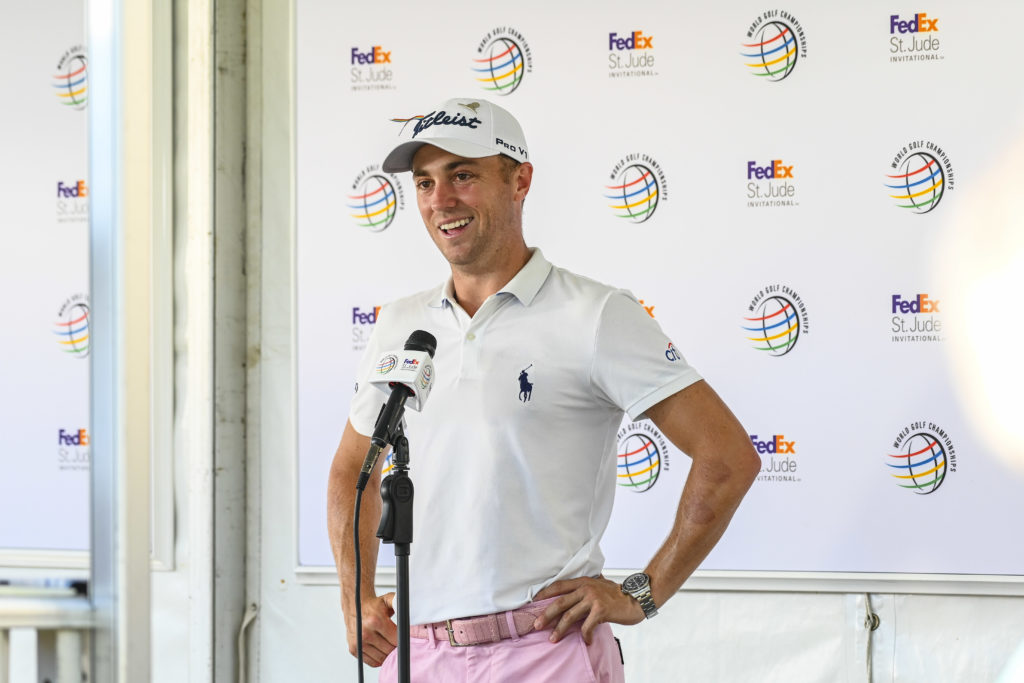
“The one thing that rubbed me kind of the wrong way about this Justin Thomas letter is he said something like, ‘oh, how easy is it going to be for you guys to answer one question that you already know? It’s going to be so additive to the golf broadcast’, where that’s just not the case at all. If you ask someone a question, you give them five seconds, what everyone’s going to be complaining about is that you’re not showing golf shots at that point. You’re showing Justin Thomas before his final round giving you a BS answer about a question,” he said.
“The most additive thing these players can do for the broadcast, it’s not the walk and talk, it’s going into the booth and calling the shots after a round. That is when the broadcast is at its best, when Rory was talking about Scottie’s game at Riviera, when Rahm was on the PGA Tour, I remember he went in at the RBC Heritage. It’s fantastic because they give you insights into what they just saw, good or bad. If you want a buy-in from the players, it’s not a BS, easy lay-up question at the beginning, or a mid-round interview, not even that. Spend your time after you’re done playing and buy in that way.”
Full Swing and The Showdown appear to have given golf a real wake-up call
Golf feels as though it has been sleepwalking towards a problem for a while now. Due to the formation of LIV Golf, players appear to be being paid like the sport has never been more popular.
However, that is simply not the case. The Showdown pitted four of the world’s best players against each other in a match which involved two PGA Tour and two LIV Golf stars in December. And yet, The Showdown attracted poor viewing figures.
Meanwhile, Full Swing seemed to make a real difference in changing some perceptions. And it is the kind of programme which can appeal to those who do not actually care too much for golf itself.
Clearly, Thomas feels that the PGA Tour needs to do a much better job of capturing that interest week-in, week-out. But perhaps he has missed the point of what exactly is more likely to bring fans to the game again.
Receive exclusive golf news and updates twice a week to your mailbox